




Omnisphere 3 has been out for about 6 months now, so I think it’s definitely time that Unisynth goes head-to-head with it.
Today, we’re going to break down their synth engines to see exactly which one shines the brightest and can give you more depth at the source level.
You’ll be able to see which one can shape stronger, more modern sounds overall and really take things to the next level.
We’ll be covering everything about Unisynth vs Omnisphere 3, including:
- Oscillators and layers ✓
- Engine modes ✓
- Sound sources ✓
- Filter depth ✓
- Routing options ✓
- Modulation power ✓
- Wavetable control ✓
- Sound shaping ✓
- AI generation ✓
- Creative flexibility/versatility ✓
- Patch-building speed ✓
- Overall engine design ✓
- So much more ✓
This way, you’ll get a clear picture of who the ultimate winner is so you can build some truly mind-blowing sounds super quick.
Plus, you’ll see which one can help you successfully bang out more original patches, push your sound design further, and stay way more inspired all day long.
This way, you can stop guessing, lock into the better plugin for the job, and create way more confidently (like an absolute boss).
So, let’s dive right in…
Table of Contents
Unisynth’s Synth Engine
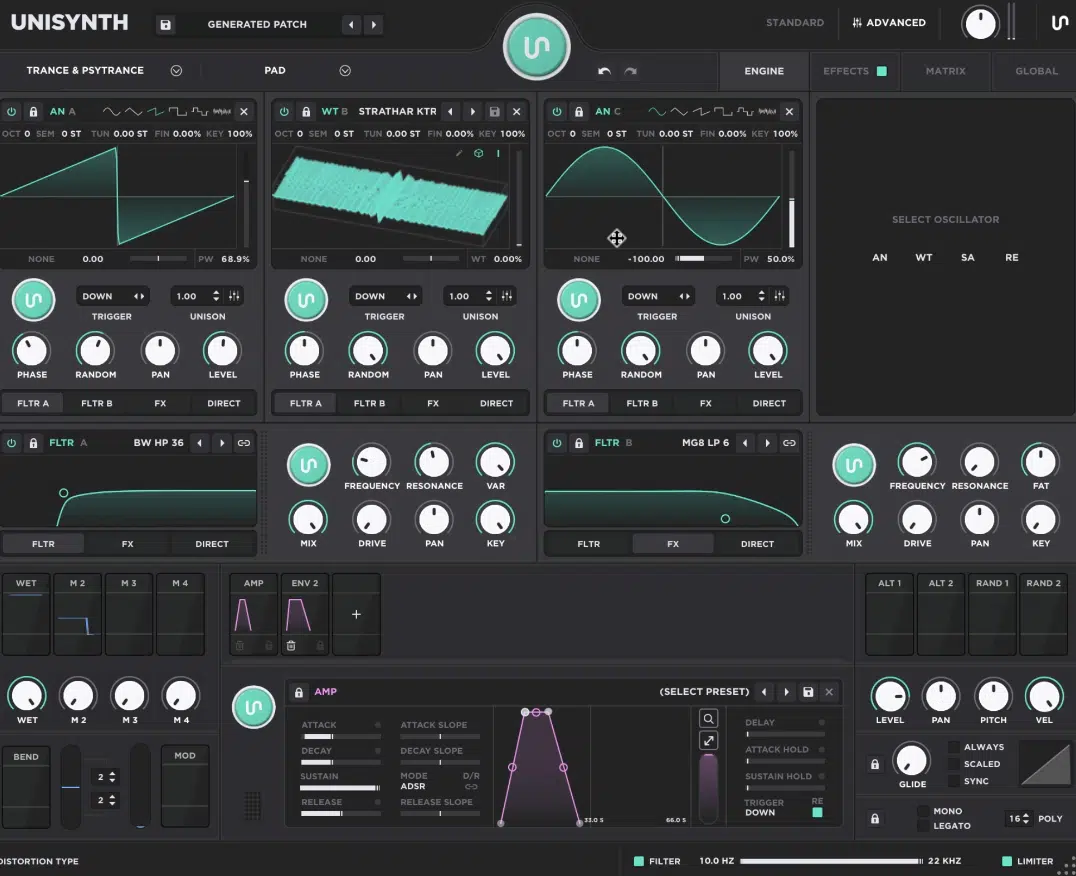
Unisynth is the world’s first AI genre-specific, generative synth plugin; one of the most mind-blowing to ever hit the scene.
And Unisynth’s synth engine is no different.
It’s built in a way that feels revolutionary as well because it doesn’t just give you one main synthesis lane and asks you to work around it.
Instead, it gives you 4 fully independent hybrid oscillators that can each run in Analog, Wavetable, Sampler, or Resonator mode.
So, needless to say, it opens the door to way more interesting patch construction because you’re able to stack a:
- Warm analog body
- Moving wavetable top layer
- Sampled transient
- Resonant texture
All inside one sound without ever having to fake complexity with effects afterward.
Then, once those sources are in place, Unisynth gives you 2 primary filters with 95 filter types each, so you’re never boxed in.
You’ll get a lot more flexibility than the usual handful of low-pass and high-pass options that a lot of synths lean on.
On top of that, the engine routing is deeper than it looks at first glance…
The oscillators and filters can be split, blended, rerouted, and recombined in a bunch of different ways instead of being trapped inside one rigid signal path.
And when it comes to the modulation side of things, it might blow your mind as well.
It comes packed with up to 48 simultaneous modulators, drag-and-drop assignment, a full matrix, and enough control to push a patch way past “preset with tweaks” territory.
On top of that, Unisynth also includes a built-in wavetable editor, so you’re not just choosing the source material and calling it a day.
You can actually reshape the waveform frames themselves, mess with harmonics, morph tables, and build something custom from the inside out!
NOTE: Every oscillator has its very own individual generator so you can use AI to help you with anything from inspiring new ideas, to completely handling the job for you.
Omnisphere 3’s Synth Engine
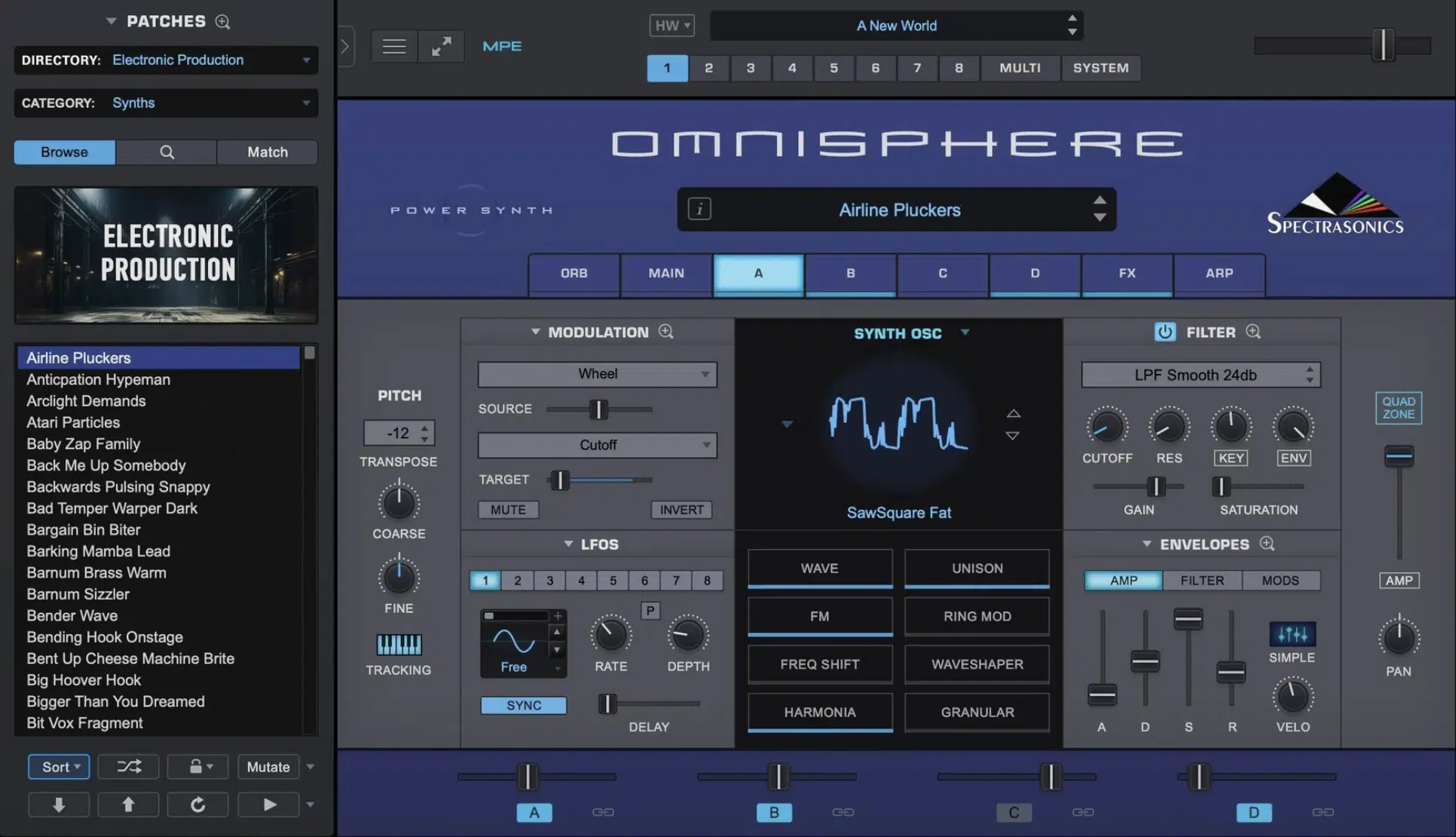
The synth engine found in Omnisphere 3 is powerful, sure, but it comes from a much different, less direct place than Unisynth.
Its patch structure is built around up to four Layers per Patch, and each Layer can run either Sample Mode or Synth Mode inside Spectrasonics’ STEAM engine.
There’s also a bunch of extra synthesis paths like granular, FM, ring modulation, unison, Harmonia, and wavetable-based options.
Each layer also has its own filter section, and version 3 adds 36 new filter types.
Plus new features like Oscillator Drift, Unison Phase Scatter, and fresh sweepable EDM wavetables.
On top of that, Omnisphere 3 now supports importing your own WAV and AIFF audio files as soundsources, giving it more hybrid flexibility than older versions had.
The tradeoff, though, is that Omnisphere’s engine feels bigger more than it feels tighter/focused…
There’s a lot there, but it is not nearly as focused around modern, deliberate engine-building as Unisynth’s four-oscillator hybrid structure, deeper routing behavior, and more surgical source-level shaping.
So while Omnisphere 3 absolutely has range, Unisynth feels more purpose-built for producers who want the synth engine itself to be the main event.
And, let’s be honest, we all do.
Unisynth vs Omnisphere 3: Head-to-Head Showdown
Now that you know all about the Unisynth vs Omnisphere 3 synth engines in a more vague sense, let’s break it all down piece-by-piece. This way, you can stop looking at the brand names and start looking at how the actual engine is built. And once you do that, you’ll see right away who is the champion and who will be forced to take that L. It all boils down to 5 key considerations…
#1. Oscillators & Layers
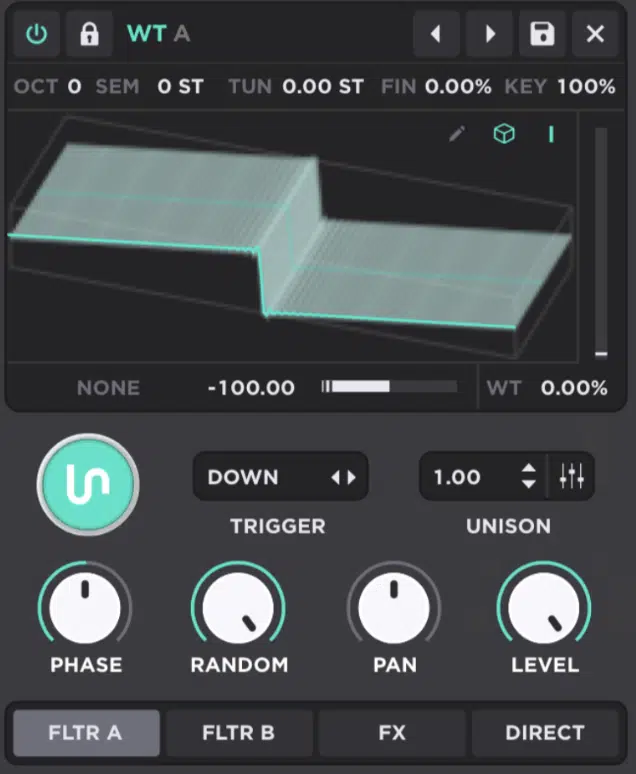
Let’s kick off this legendary Unisynth vs Omnisphere 3 debate by talking about oscillators and layers.
Oscillators and layers are the raw sound-building foundation of any synth, so this section is really about how much material each instrument gives you.
And I’m talking before filtering, modulation, and effects even enter the picture.
Unisynth comes out swinging here, because it gives you 4 independent oscillators, and each one can run in 4 different engine types like we talked about.
This means you’re really working with 16 possible oscillator-mode combinations before you even think about stacking them together.
For example, I’ll break it down for a second:
- One slot can handle the warm body of a patch (Analog)
- Another can add moving harmonic motion (Wavetable)
- Another can inject real recorded texture or attack (Sampler)
- Another can bring in more physical, ringing behavior (Resonator)
And another bonus, in Standard View, there’s an interactive XY control so each mode already has a fast shaping layer built in.
Wavetable mode lets you move warp amount on one axis and wavetable position on the other, while sampler mode gives you filter cutoff and fine tune right on the pad.
So instead of just piling up “more layers,” there’s more contrast per layer 一 helping to make your sound feel more expensive, if you know what I mean.
Omnisphere 3, on the other hand, lets you work with up to 4 sound sources in a patch, and its engine is built around Sample Mode and Synth Mode.
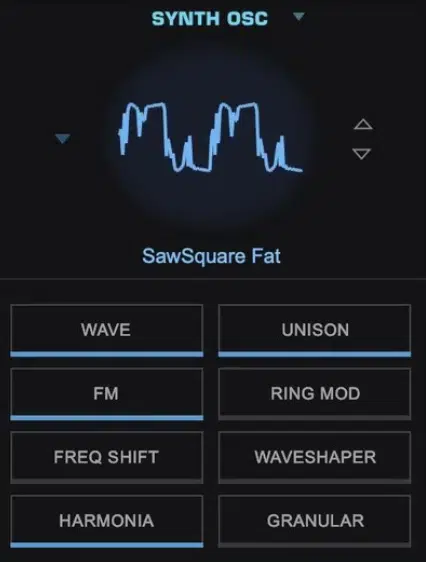
The difference is that Omnisphere’s structure feels more like a big clunky stacking environment, while Unisynth feels more like each oscillator slot was designed to do heavier lifting on its own.
With Unisynth, you can get one patch sounding layered, hybrid, and alive without having to build a giant multi-part construction just to make it feel deep.
And also, remember that those 4 oscillators are feeding into a deeper routing system, modulation system, and source-shaping workflow as well.
So, even before the rest of the architecture kicks in, Unisynth already feels like the stronger synth engine here, hands down.
#2. Engine Modes & Sources
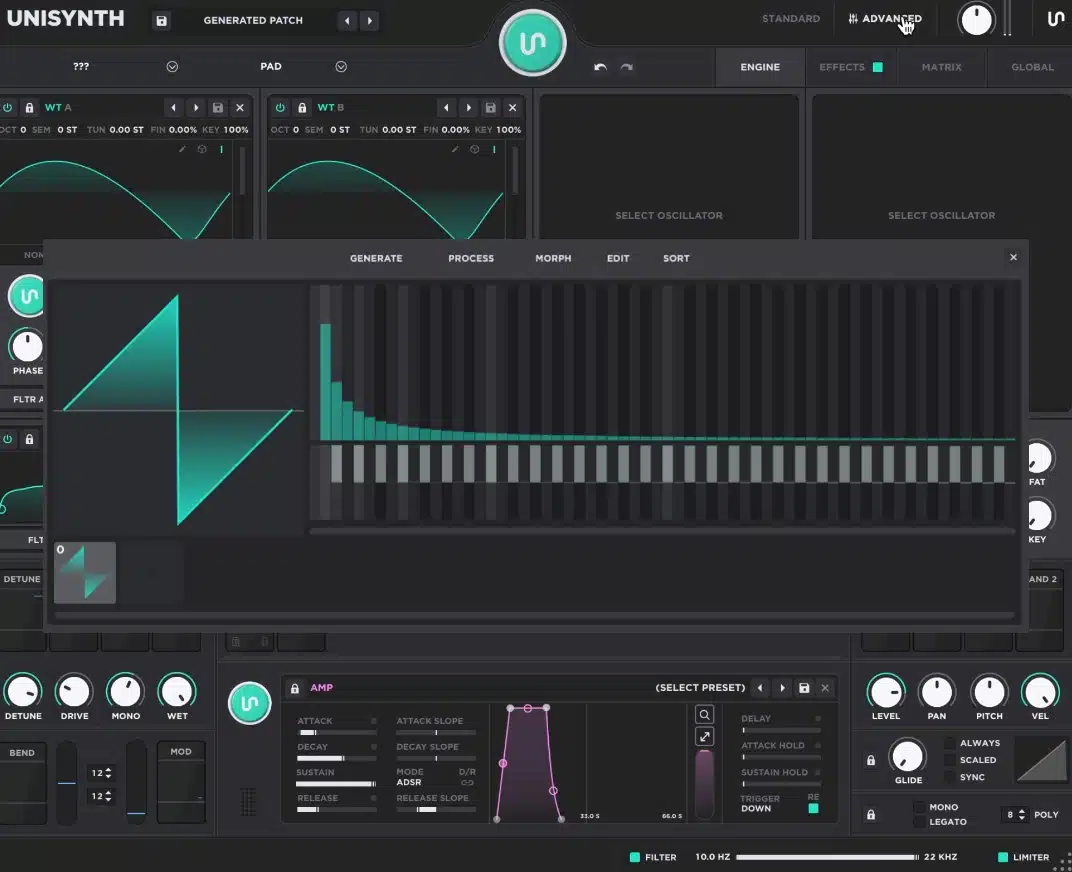
Engine modes and sources decide what kind of raw tone a synth can generate in the first place, and it’s next up in our Unisynth vs Omnisphere 3 showdown.
This is where you find out whether something is truly flexible or just looks fancy and nice from a distance.
Unisynth is stronger here as well because of those 4 oscillators not having to be locked into one synthesis style; analog covers the classic synth fundamentals (basic waveforms and shaped oscillator behavior).
Then we have Wavetable, which brings in frame-based harmonic motion and Sampler, which handles full audio playback.
Last but not least there’s Resonator, adding a more physical-modeling-style flavor by exciting one source with another.
That’s what I really love about Unisynth…
With it, you’re never being pushed into one central engine and then asked to decorate it up afterward. You’re building from multiple synthesis personalities from the jump.
On top of that, Unisynth’s crazy versatile engine is tied to thousands of:
- Custom-designed, genre-specific wavetables
- Samples
- Parameters
- FX
- Complete synth presets
Plus, there’s 350+ wavetables and 1,250+ samples, which is a serious amount of source material pre-editing.
Omnisphere 3, to be fair, is no lightweight here either.
Its oscillator system gives you Sample Mode for recorded Soundsources and Synth Mode for DSP wavetables generated in real time by the STEAM engine.
It also supports importing your own WAV and AIFF files as soundsources, with support for up to 24-bit files and sample rates up to 192 kHz.
And you can layer up to four soundsources in a patch.
That said, Omnisphere’s strength is more about how massive its source ecosystem is, while Unisynth’s strength is the engine modes themselves.
They feel more deliberately arranged for hybrid patch design, which makes Unisynth feel more direct.
You’re moving between analog weight, wavetable motion, sampled realism, and resonant character inside the same core oscillator architecture (you can’t beat that).
And, with the 32 genres and 6 sound types that bring genre-specific vibes into the mix, its engine starts to feel even more on point, if that’s possible.
The source selection isn’t just “a lot” — it’s aimed, with razor sharp precision.
So even though Omnisphere 3 has a giant reputation here, Unisynth wins this category for me because its engine modes feel tighter and more intentional.
As well as way more aggressive about giving you contrasting source types exactly where they matter most (which I’m sure you can agree is invaluable).
#3. Filters, Routing & Motion
Next up in the Unisynth vs Omnisphere 3 head-to-head, let’s talk about filter, routing, and motion for a minute.
It’s the part where a synth stops being a static tone generator and starts feeling alive like never before because it shapes:
- Movement
- Depth
- Contrast
- Internal Signal Flow
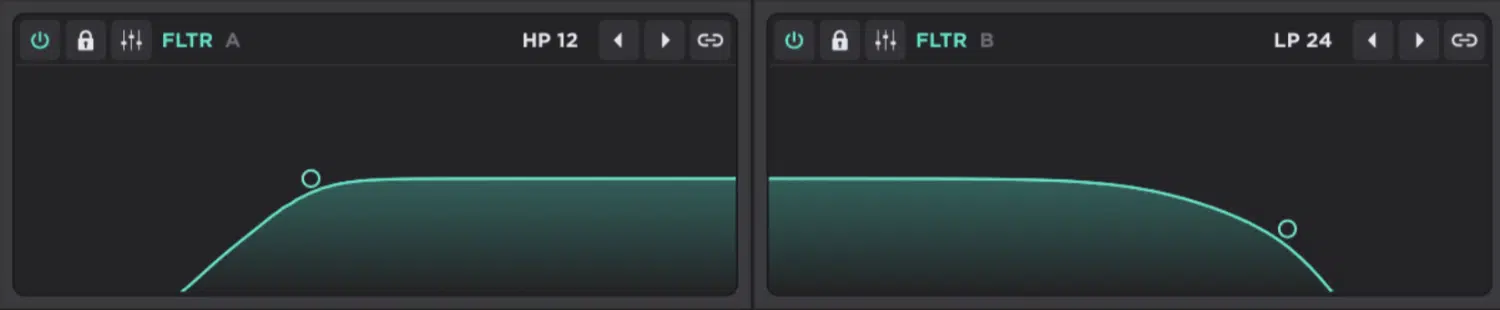
Unisynth has a crazy advantage here 一 starting with 2 primary filters (shown above) that each contain 95 filter types.
This is a wild amount of shaping power for a synth that also tries to stay fast and playable, believe me.
And like I mentioned before, they’re not your average low-pass/high-pass stuff either, as it comes packed with everything from combs to formants to modeled analog filters.
You can easily move from basic subtractive shaping into much more character-heavy tone design without ever leaving the engine.
Then you get 6 routing mixers across the oscillators and primary filters, which lets the signal be split, rerouted, and recombined in different proportions.
Meaning, one oscillator can go straight to FX, another can hit Filter A, another can hit Filter B, and another can be blended across multiple destinations, etc.
The patch can feel layered and organized instead of smeared together like a rookie would end up doing.
Unisynth’s motion side is just as serious, supporting 48 simultaneous modulators, and nearly every parameter can be modulated by up to 16 modulators at a time.
With drag-and-drop assignment and a full matrix for cleanup once the patch gets more complex, it’s covered all bases.
That gives you enough depth to create movement in stages…
Subtle drift on one layer, sweeping filter motion on another, macro control over multiple destinations, and more complex timed modulation sitting underneath it all.
On the flip side, Omnisphere 3 just added 36 new filter types and brings in new features like Vintage Oscillator Drift, Unison Phase Scatter, and fresh global controls.
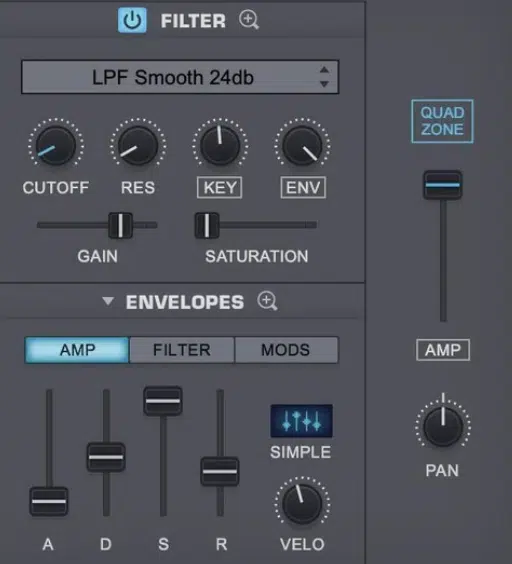
It also gives you 8 independent LFOs per Part, so there is definitely no shortage of movement potential on paper.
Still, Unisynth still gets the win because the filter count is much deeper, the routing is more obviously legendary, and the modulation side feels more aggressively integrated into the actual act of building one patch from the inside out.
So while Omnisphere 3 gives you a lot of motion tools, Unisynth was basically built around motion, routing, and signal-shaping from day one.
And that, my friends, is made obvious right away the second you start designing anything more advanced than a plain bread-and-butter patch.
#4. Wavetable & Sound Shaping
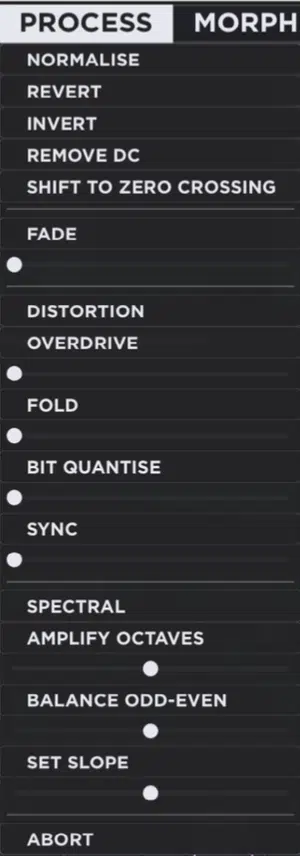
Wavetable and sound shaping are all about how far a synth lets you go way beyond preset browsing.
It’s where you stop picking sounds and start expertly reshaping the entire DNA of the sound itself, which is one of my personal favorite topics.
Unisynth is way more epic here than people might expect, because it doesn’t just include wavetable playback…
It includes a full built-in wavetable editor inside the synth.
And once you open that editor up, you can do a lot more than casually scan through frames, because Unisynth lets you easily:
- Add and remove frames
- Rearrange their order
- Edit the harmonic content of individual frames through an FFT partial editor
Side note, if you’re not 100% sure what an FFT partial editor is, it’s a spectral editor that lets you shape harmonics directly.
The editor also includes Generate functions like Sine, Saw, Square, Noise, Triangle, and Pulse, as well as Process functions such as Normalize, Invert, Fold, Bit Quantize, Sync, Set Slope, and more.
This means the wavetable can be rebuilt, damaged, cleaned up, or pushed into totally different harmonic territory all in one place.
Add in Morph tools like Crossfade and Spectral interpolation, along with several Sort options for reorganizing the whole table, and boom 一 the ultimate playground.
It’s not just some generator-led synth with editing on the side, it’s a full-blown and wavetable design dream, where you can go as deep as you can imagine.
Omnisphere 3 has wavetable power too, of course.
Its Synth Mode uses DSP wavetables generated in real time by the STEAM engine, and there’s new sweepable EDM wavetables (one of the 3 major additions).
However, Omnisphere’s reputation here is more about giving you a large, polished sound-design universe, while Unisynth feels more aggressive.
It’s all about letting you get your hands inside the source and actually reshaping it.
That’s the big difference in this particular Unisynth vs Omnisphere 3 debate, as one workflow is mostly about selecting and manipulating great source material, while the other is also about constructing your own source behavior from scratch.
NOTE: On top of that, Unisynth pairs the wavetable editor with 350+ wavetables, 1,250+ samples, and those 4 hybrid oscillators.
So, when it comes to the shaping options, you’re never trapped inside one narrow wavetable-only identity.
You can build a wavetable layer, distort its internal harmonic layout, morph the table, then stack it against analog, sample, and resonator layers in the same patch without ever breaking your flow.
So even though Omnisphere 3 is clearly powerful, Unisynth feels much more like the instrument for somebody who wants to design sounds at the source level.
No more (mostly) curating and extending existing ones; and for a synth-engine-only comparison, that gives Unisynth the edge pretty comfortably.
#5. AI, Generation & Sound Creation
Last but not least, let’s throw a wild card in this Unisynth vs Omnisphere showdown: AI (artificial intelligence).
Now, AI and generation matter here because they change where the sound design process itself actually starts…
Either with you building every patch manually from the ground up, or with the synth helping you get a super solid foundation first and then shaping things to perfection from there.
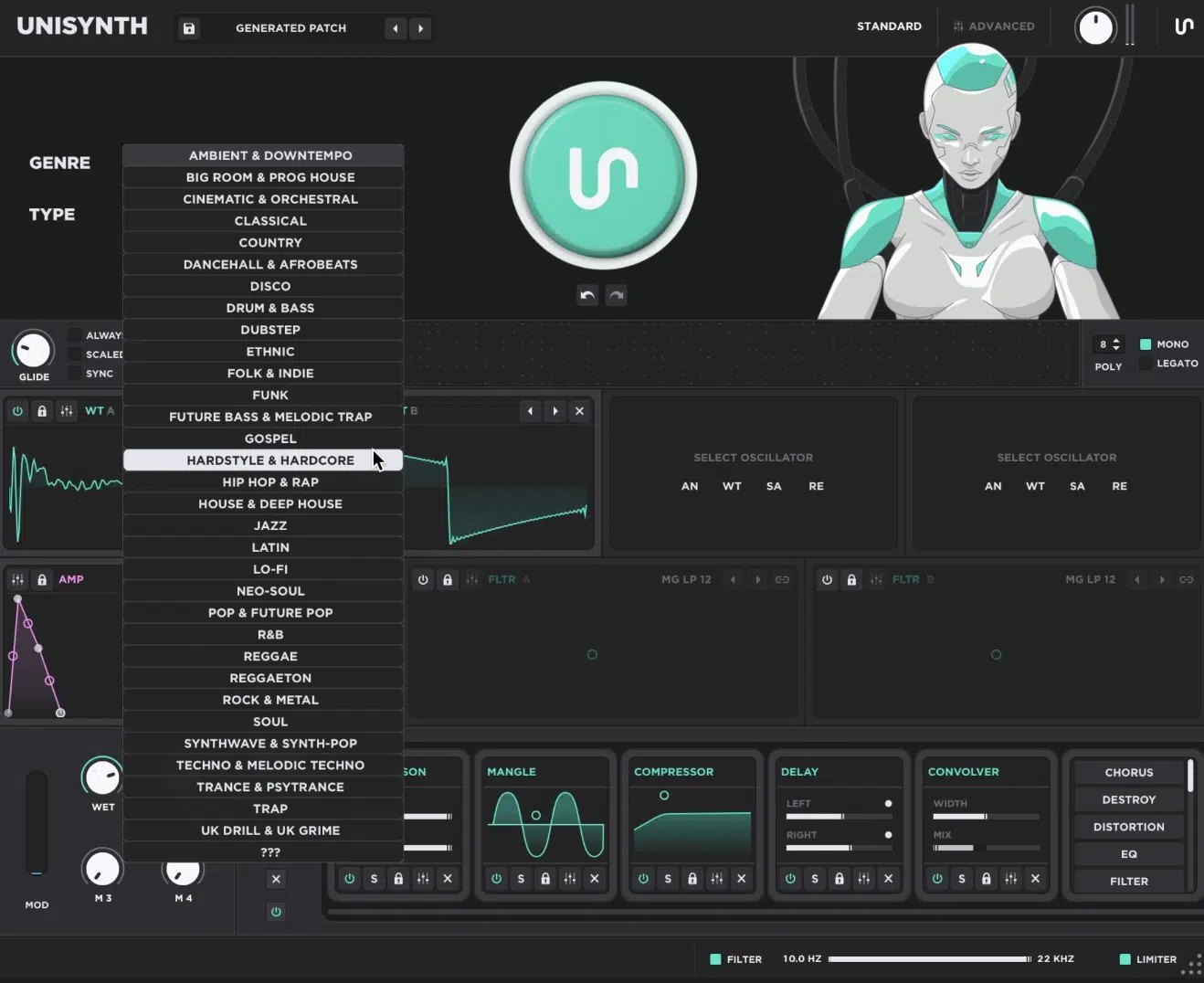
This is one of the biggest reasons Unisynth feels way more forward-thinking, because its ENTIRE engine is built around AI-powered, genre-specific patch generation.
It’s the first and only in the world, to be frank.
This completely flips the game, rather than just traditional synthesis blocks sitting there waiting for manual programming.
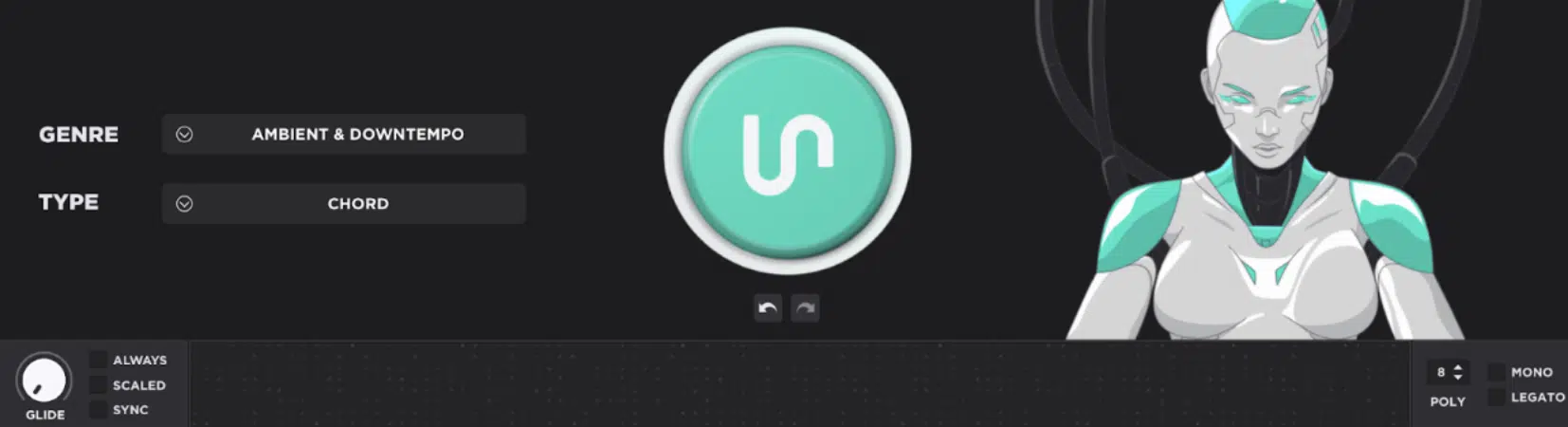
It can generate unlimited, unique sounds across 32 popular genres/6 sound types (simply choose & generate, and you’re good to go).
Then, once that patch is successfully created, you’re not stuck with some frozen one-click result, because Unisynth lets you keep editing the engine underneath thanks to its:
- 4 oscillators
- 2 primary filters
- Killer modulation system
- Routing
- The FX-Chain Generator
So, in a nutshell, the AI side is not replacing synthesis at all.
It’s speeding up the hardest part for a lot of producers 一 Getting to a strong, professional, inspiring starting point without wasting endless time.
And side note, the engine pulls from thousands of custom-designed, genre-specific wavetables, samples, parameters, FX, and complete synth presets.
This just adds to the appeal because this means the generated sounds never feel as random or disconnected as the usual “roulette wheel” style generators.
Omnisphere 3, by comparison, is still much more traditional here.
Even though it has a huge synthesis environment and an extensive sound library, Omnisphere doesn’t have the sophisticated AI-driven generator or genre-targeted sound creation system.
Instead, it’s only about layered synthesis architecture, soundsources, DSP wavetable synthesis, modulation, and patch-building tools, as it should be.
That doesn’t make Omnisphere 3 weak, because I’d be lying if I said it was (and I don’t do that to my loyal readers)…
It simply means that it’s playing a different game, on a different field and Unisynth obviously takes this one.
Unisynth vs Omnisphere: Final Thoughts
At the end of the day, Omnisphere 3 is still a heavyweight, nobody’s taking that away.
However, if the conversation between Unisynth vs Omnisphere 3 is about synth engines, Unisynth takes the W all day.
It feels more advanced, focused, and in tune with how producers and sound designers actually want to build sounds today (which I’m sure we can all agree on).
It gives you a stronger hybrid oscillator structure, deeper source-level flexibility, and more intentional routing/modulation.
As well as a monster wavetable editing environment and an AI side that puts it in a completely different lane from the jump.
So while Omnisphere 3 can still impress when it comes to size and scope, Unisynth feels sharper where it counts — right at the core of the sound.
And when the goal is getting better, more unique sounds and modern sound-design power out of the engine itself, Unisynth takes the win pretty clearly.
Until next time…
Download The #1 Synth Plugin In the World



Leave a Reply
You must belogged in to post a comment.